Transparency is one of the foundations of good local government. North Dakota’s Open Records and Open Meetings laws, often referred to as the state’s “sunshine laws,” help ensure that citizens have access to government decisions and the records that support them. Whether you serve on a city council, county commission, school board, park district, or other public board, understanding these laws is an essential part of your role.
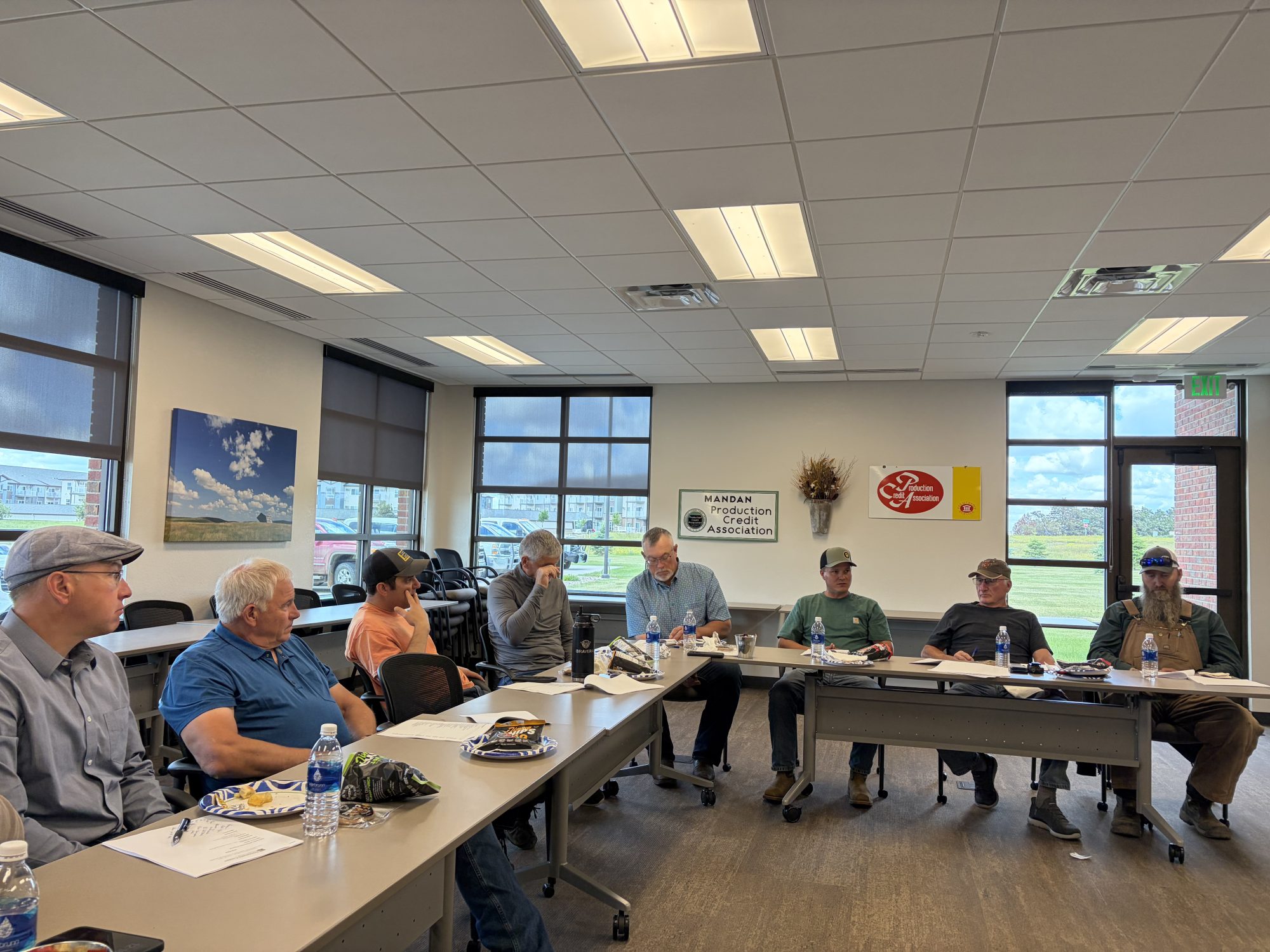
In North Dakota, nearly all meetings of public entities are open to the public unless state law specifically allows a meeting to be closed. A “meeting” includes more than regularly scheduled board meetings. Committee meetings, work sessions, and even discussions involving a quorum of members by phone, email, text message, or other electronic communication may qualify as a meeting if public business is being discussed.
Public meetings require advance notice that includes the date, time, location, and topics expected to be discussed. If an executive session is anticipated, the notice must identify the legal authority allowing the meeting to be closed. Final decisions and votes must always occur in an open meeting, and executive sessions are limited to situations specifically authorized by law.
North Dakota’s Open Records law also provides broad public access to government records. Anyone may request copies of public records, and requests do not need to be made in writing. Public entities are required to respond within a reasonable time by providing the records or citing the legal authority for withholding them. While agencies are not required to create new records or answer questions, they must provide access to existing public records unless an exemption applies.
One area that often creates confusion is electronic communication. Emails, text messages, and other electronic discussions between members of a governing body about public business can trigger open meeting requirements. Board members should avoid “reply all” email discussions or text chains that involve a quorum of members discussing official business outside of a properly noticed meeting.
When in doubt, remember these best practices:
- Conduct public business during properly noticed public meetings.
- Provide complete meeting notices and agendas.
- Keep accurate meeting minutes.
- Avoid discussing public business through group emails or text messages.
- Consult your legal counsel or the North Dakota Attorney General’s guidance when questions arise.
The North Dakota Attorney General’s Office provides excellent free resources, including Open Records and Open Meetings Guides, sample notices, manuals, and frequently asked questions to help public officials stay in compliance. Taking time to understand these requirements helps build public trust, reduces the risk of violations, and promotes transparent, accountable local government.